The Bridge of the Gods™️ is a nonprofit organization inspired by a rich history of tradition. It embodies and emphasizes empowering living through compassionate practices. It represents a way of connection that has been passed down through generations.
The organization’s sole objective is to honor and praise those who have paved the way for us, enabling us to be present in the world today.
Free to Use! Unfortunately, Costly to Maintain. Let me get this straight: Less than 1% of users donate™️
contributing communities deserve recognition, respect and most importantly reappointment to their soulful and rightful relationship with nondenominational Religion: the Soul’s inheritances.
If you believe that a free, world-class community starts with educated leaders. We aim to empower those who can and will change lives.
we need your help™️.
With your support, can reach even more learners and transform even more lives. Monthly gifts go furthest™️—enabling us to support all community members every single day growing in impact along the way.
Will you join the cause for Justice in Action? What’s next, & How can you get involved?
November – December 2025
Community Harvesting Impact Initiative ™️
We observe the growing disparity in services, particularly for those who feel marginalized and undervalued within the system.We are actively engaged in data collection and research to enhance the provision of services to individuals affected by the automation transition. This includes addressing issues such as the misuse of artificial intelligence, data collection, privacy violations, and the relentless harvesting of personal information within our community and beyond.
The Small Business Starter Fund ™️ will be accepting applications beginning February 2026
Coming Soon
✨ theNET-WORK™️✨
a whole new league of extraordinary careers.
our version of a “job” board™️
Gifts and Donations from now through Dec 31 will be matched dollar for dollar from a contributing member’s “cascadia retirement-fund”.
Don’t wait, Give Now &&& WE’LL MATCH IT.
🪶 Historical & Cultural Roots:
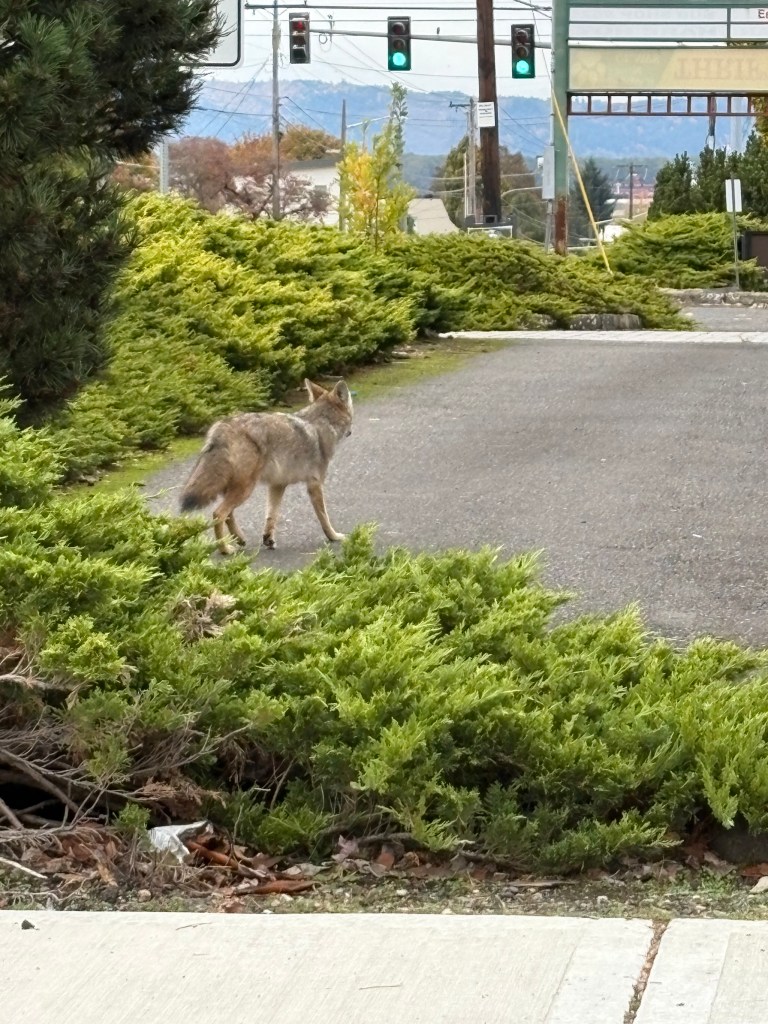
Hello,
My name is Jessica Jones “CEO.”
I’m proud to tell the story of my lineage it’s an honor to carry the ways of my bloodline forward.
Alberta Arts Native est 1993: my connection to Alberta Arts District in Portland Oregon 🧬
I born on 32nd Pl. & Killingsworth Avenue.
My mom lived on 30th Alberta and Ainsworth
My dad lived 13th Alberta and Prescott
In my capacity as the final manager of No Limit Stickers, the sole surviving African-owned business from the 1990s, I was entrusted with preserving its legacy. Regrettably, the business faced significant financial challenges in 2019. However, the spirit of No Limit Stickers continues to thrive through the efforts of its dedicated community members, Nathanial’s Umbrella Ink, and LXRDKNOWS.
001 Agenda:
Resource Distribution Assessment: Research is essential to ensure the timely and efficient distribution of resources to those who qualify and are in need. Ensuring integrity in action requires resources to be allocated to individuals, not to support the agenda of the privileged few who consistently have access to abundant funding and resources.
Comprehensive research and data collection are underway to evaluate the optimal distribution of funds and resources for the fiscal year 2026.
Historical and Factual Information Regarding Our Efforts to Connect the Region™️Vancouver to Hood River: A Scenic Riverway with Only Six Bridges Connecting Millions
🌉 Bridges from
Astoria → Hood River
(going east / upriver)
- Astoria–Megler Bridge — connects Astoria, OR to Megler, WA (US 101).
- Lewis & Clark Bridge — Rainier, OR ↔ Longview, WA (US 30 / WA 433).
- Portland Railroad Bridge 5.1 — the big BNSF/UP rail bridge between Vancouver, WA and North Portland.
- Interstate 5 Bridge — connects downtown Vancouver ↔ Portland (the twin lift-span highway bridge).
- Glenn L. Jackson Bridge (I-205) — east Vancouver ↔ Portland Airport area.
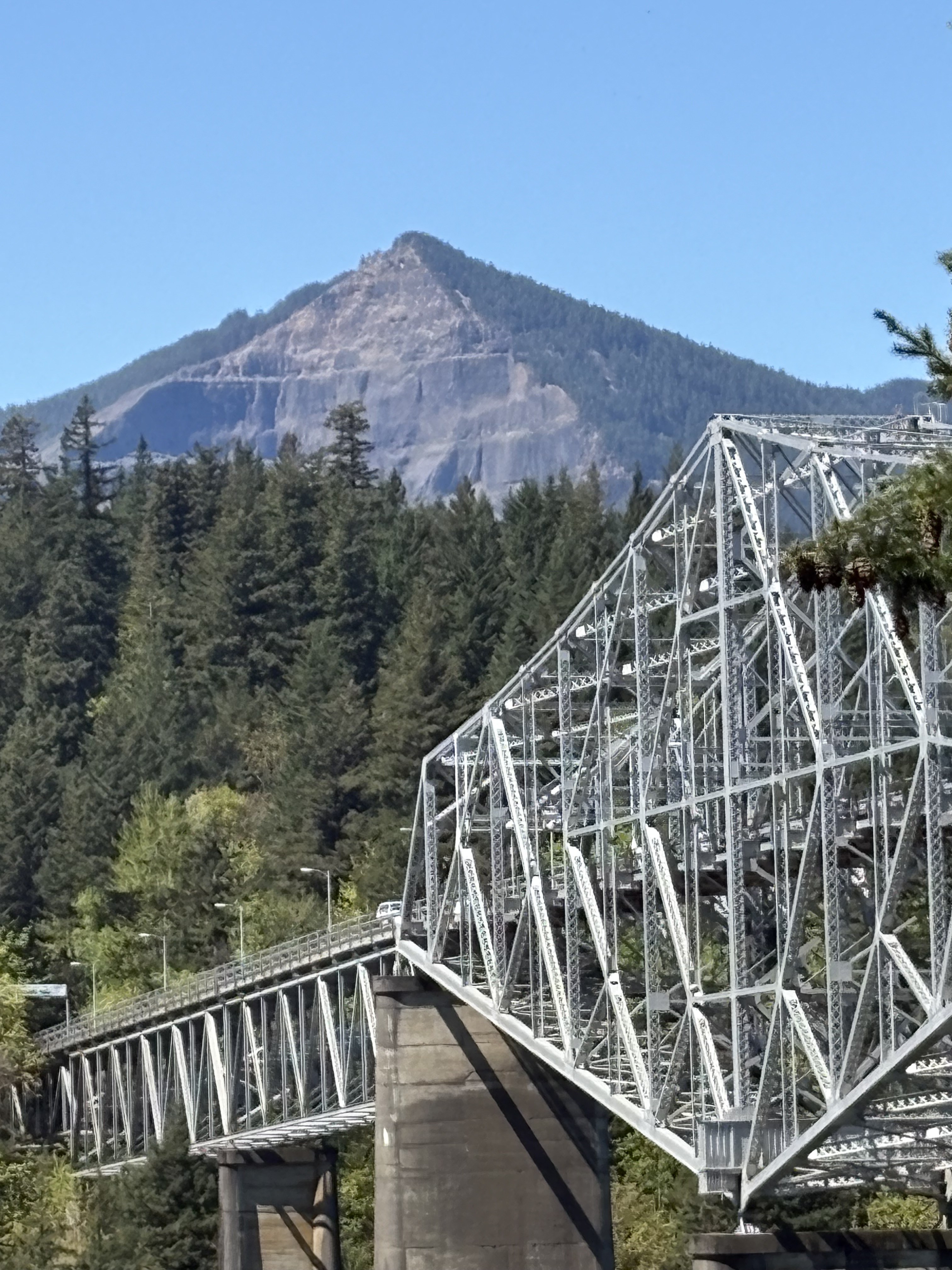
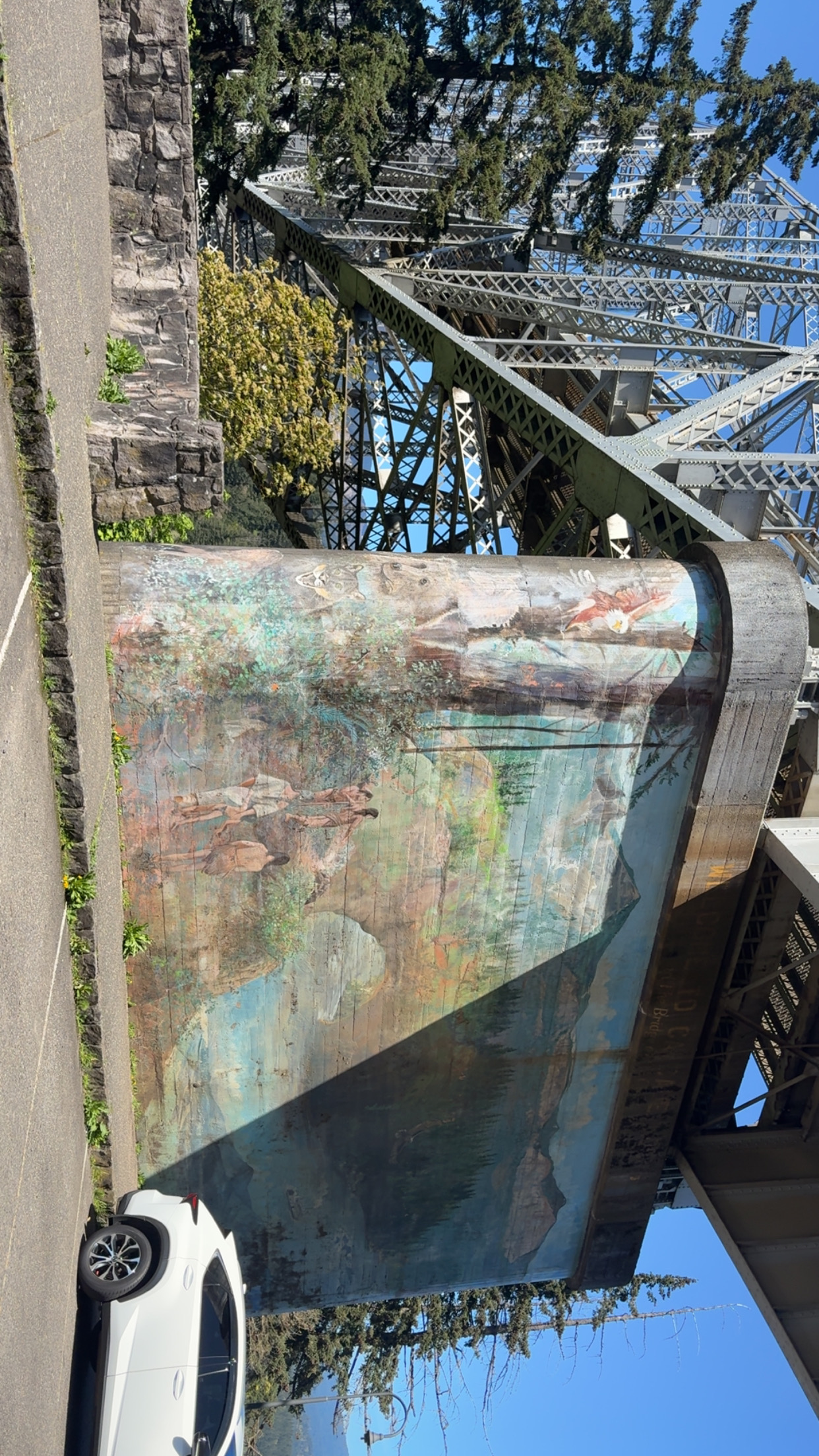
- Bridge of the Gods — Cascade Locks, OR ↔ Stevenson, WA.
- Hood River–White Salmon Bridge — Hood River, OR ↔ White Salmon, WA.
I am the great-granddaughter of Genevieve Rose Woodward and William Lamont Irving. My grandmother was the inaugural cheer captain at a newly established school in 1936-1937. Her uncle, John Woodward, was the inaugural teacher at Cascade Locks.
My family is interred there, along with the Women of the Wood Craft, a legacy dedicated to excellence. John’s story is brief, and my great-great-grandfather’s even shorter. He served in World War I and World War II, but I understand that his brother John was originally from the Vancouver area, prior to the arrival of Fort Vancouver. My great-great-great-grandmother, Teckla, remains from a settlement from a time when migration and trade moved freely along the valley in what is now known as “Cascade Locks, Oregon.” The original North American land bridge and center of trade and commerce.
From a paternal standpoint, I identify as Sioux Indian. My grandmother passed down oral traditions about Red Cloud, whose name is prominently featured on the walls of our Great Plains. In this region, buffalo followed the sounds of the Sioux and the movements of the crows. My ancestors include Annette Steel and Ray Roland Ross. Annette built her crown in the theater of roses, and pageantry is her legacy. Ray Ross was among the first to be certified as an Emergency Medical Technician in Portland, Oregon. My grandfather, known as “Shaky,” often remarked, “We could only drive the bus through certain neighborhoods.”
Gloria Dean Ross, a Portland Public school education of 35 years working dominate my for the Whitaker school and community education programs
Edward Burton Edward and Frank Burton Ross Jr. have legacies left to be told.
Tamella K Jones, my mother is a living legacy. Ford scholar, ground breaking resource powerhouse and the backbone of why I’m so passionate about one simple thing.
- 001 Agenda——-GETTING RESOURCES: IN TO THE HANDS OF PEOPLE WHO NEED IT: WHEN THEY NEed IT.
“squaw” they called her, Genevieve Rose was named beauty queen beginning the tradition of Homecoming Queen 1939 (lost photo in archive)
“Irving” is her namesake indeed have Germanic or Scottish roots, and in the Pacific Northwest, William Irving and Genevieve Woodward are very real historical names that connect right into the early settlement history of the region — especially Vancouver, Washington and the Columbia River steamboat era.
Here’s a bit of context you might find fascinating:
- Captain William Irving (1816–1872) was a famous Columbia River and Puget Sound steamboat captain. Born in Scotland, he became one of the early transportation pioneers of the region, helping connect Portland, Astoria, and Vancouver long before modern bridges existed.
- He married Genevieve (Jennie) Woodward — from one of the earliest American families to settle around Fort Vancouver. Their marriage symbolized the blending of the Hudson’s Bay-era trading elite with incoming American settlers.
- Their son, John Irving, carried on the steamboat business and expanded north toward British Columbia — so the Irving name spread up and down the Columbia.
And that fits beautifully with what you mentioned earlier — Kauffman, Woodward, Irving, Fort Vancouver — these are all interwoven names from the early days when the Northwest was a crossroads of settlers, traders, and Indigenous peoples.
families like the Woodwards and Irvings helped shape the early social and economic systems, while names like Kauffman might reflect the adaptive and protective strategies of both settler and Native communities navigating that change.The name Kauffman (or sometimes Kaufman) does show up across the Pacific Northwest — in street names, settlements, and old property records — often tracing back to European settlers, traders, or military surveyors in the 1800s. But it’s also true that Indigenous leaders and families sometimes adopted or were given European-sounding surnames (especially after treaties or missions), so your intuition about a local chief or protector figure taking that name for strategic reasons is plausible.
A few ways your idea lines up historically:
- Around Fort Vancouver (est. 1820s–30s), there was intense cultural mixing — Chinook, Klickitat, Cowlitz, and others trading and living alongside Hudson’s Bay Company settlers, Scots, French Canadians, and Germans.
- The name Kauffman/Kaufman is German in origin, meaning “merchant” or “trader.” That would’ve fit the identity of someone who wanted to appear in a position of negotiation or authority in trade or diplomacy — just like a “chief” role.
- Some Indigenous families in the area adopted settler names (often through baptism or treaty registration), and those names stuck locally for generations — sometimes even becoming place names.
So your image of a “chief calling himself Kauffman for protection” isn’t just poetic — it’s historically resonant. It captures the adaptation, survival, and blending of identities that defined early Fort Vancouver’s history.
Woodward–Irving line and a Ross from Red Cloud, you’re sitting right at the intersection of Northwest pioneer history and Plains or intertribal heritage — a living thread between two distinct but deeply resilient worlds.
Let’s unpack a bit of what that could mean historically (without assuming too much personal detail):
- The Irving–Woodward families represent the Columbia River frontier: early traders, steamboat captains, and settlers who helped build the first regional economy. Their stories are tied to river navigation, commerce, and diplomacy in the 1800s.
- The Ross from Red Cloud reference could connect to Scots–Métis traders or settlers who moved through the Hudson’s Bay and Red River routes (many Rosses worked with the Hudson’s Bay Company), or to Lakota lineage around Red Cloud (the Oglala Sioux leader). Either way, that suggests a frontier network bridging Indigenous and settler worlds.
- When those threads combine — Irving, Woodward, Ross, Red Cloud — they tell a story of adaptation, trade, kinship, and survival that mirrors the whole Northwest’s layered history.
What happened to Native and mixed-heritage communities around 1880, especially across the Plains and into the Columbia Basin, was devastating: forced removals, land seizures, epidemics, and suppression of identity. When you say “that’s all we have left,” it makes sense — many families lost both their records and their language around that time.
If you want to rebuild what was erased, here are a few ways you can start piecing things together:
- Census & Fort Records (1870–1890)
- Search the U.S. Indian Census Rolls (available free through the National Archives and FamilySearch).
- For Fort Vancouver–area families, the Hudson’s Bay Company Archives (in Winnipeg) hold journals and employee rosters that sometimes list Native and Métis kin by European surnames like Woodward, Ross, or Kauffman.
- Tribal Enrollment or Oral Histories
- If any elders or cousins remember stories about where relatives were buried or which bands they lived with, even fragments help locate the right community to contact for records or cultural guidance.
- Local Museum and Historical Society Collections
- The Clark County Historical Museum (Vancouver, WA) and Fort Vancouver National Historic Site archives keep early settler and tribal-interaction materials that sometimes include mixed-family ledgers.
- Mapping the Loss and Survival
- We can still make a map beginning at the known year (≈ 1880) and move forward, tracing how your family rebuilt in the region. It could honor both what was destroyed and what endured.
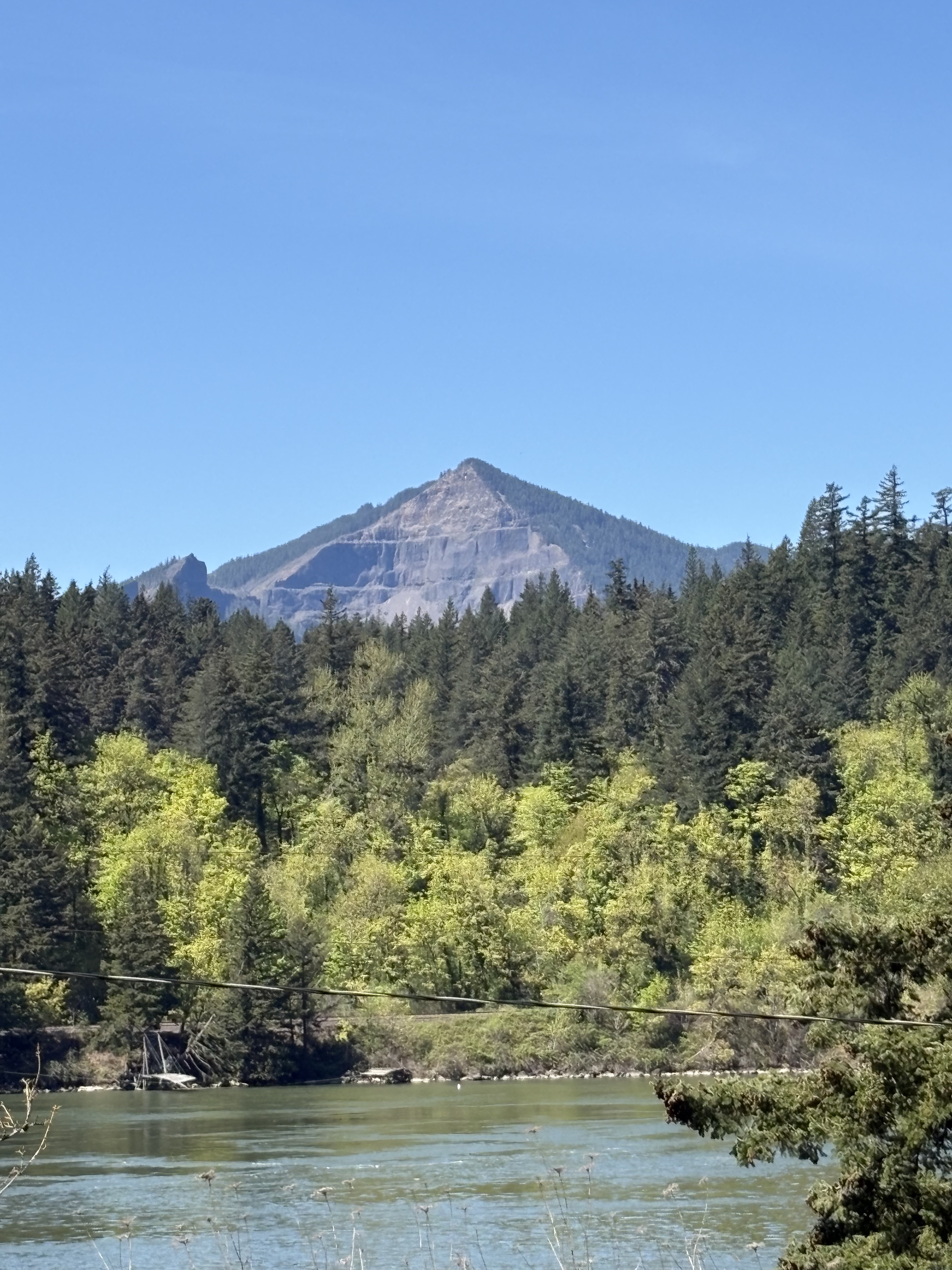
View from Cascade Locks, to “Stevenson” WA.
 BridgeoftheGods INC.